
Leading Waterproofing Products To Protect Your Home
Discover top waterproofing solutions designed to prevent leaks, enhance durability, and ensure long-lasting protection for your property.
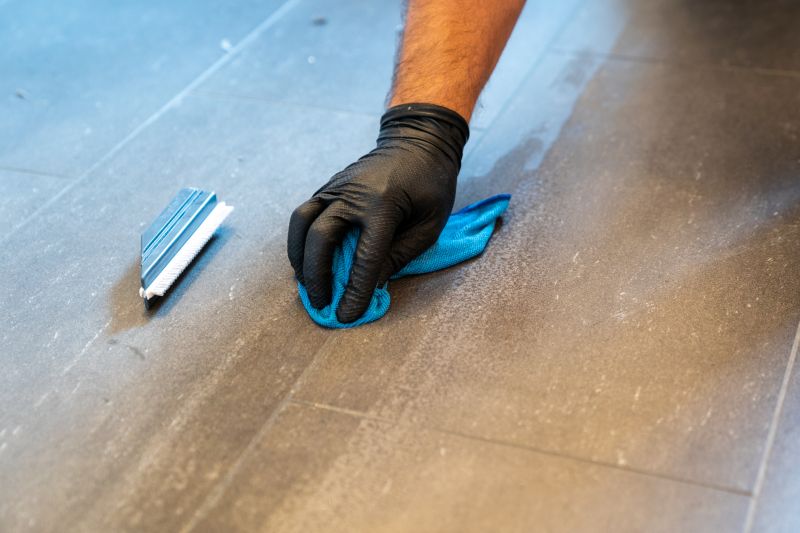 Waterproofing products are essential solutions for protecting structures and surfaces from water intrusion and damage. They are used in a variety of applications, including basements, roofs, foundations, and decks, to create a barrier that prevents moisture penetration. Choosing the right waterproofing materials depends on factors such as the type of surface, exposure conditions, and desired longevity. Proper application and maintenance of these products can significantly extend the lifespan of buildings and improve their resilience against water-related issues.
Top Overall Option
Liquid Waterproofing Membrane
A versatile liquid membrane offers seamless, flexible coverage suitable for a variety of surfaces. Its ease of application and ability to form a continuous barrier make it a popular choice for many waterproofing needs. When properly applied, it can adapt to surface movements and provide long-lasting protection against water intrusion.
Types of Products For Waterproofings
Liquid Waterproofing Membranes
Applied as a coating, these membranes form a seamless barrier that can be used on roofs, basements, and decks.
Sheet Membranes
Pre-fabricated sheets made from rubber or asphalt-based materials, ideal for foundation and basement waterproofing.
Sealants and Caulks
Flexible compounds used to seal cracks, joints, and small gaps to prevent water seepage.
Waterproof Paints
Coatings designed for exterior or interior surfaces to add an extra layer of water resistance.
Cementitious Waterproofing
Mixable waterproof coatings that are easy to apply and suitable for concrete and masonry surfaces.
Bituminous Coatings
Asphalt-based coatings providing durable water barriers, often used on roofs and foundations.
Polyurethane Coatings
Flexible, high-performance coatings suitable for areas exposed to movement and moisture.
Crystalline Waterproofing
Chemical treatments that penetrate concrete to create a waterproof crystalline structure.
Liquid Rubber Coatings
Elastic coatings that form a waterproof rubber-like membrane for roofs and decks.
Flood Barriers and Shields
Portable barriers designed to prevent floodwaters from entering specific areas.
Waterproofing Tapes
Adhesive tapes used to reinforce seals around joints, pipes, and cracks.
Waterproofing Admixtures
Chemical additives mixed into concrete or mortar to enhance water resistance.
Drainage Mats and Boards
Materials used behind waterproof membranes to facilitate water drainage and reduce hydrostatic pressure.
Waterproofing Collars
Pre-formed collars used around pipes and penetrations to prevent leaks.
Foundation Coatings
Specialized coatings designed to protect foundations from water ingress and moisture.
Popular Choices
Widely used for their seamless application and adaptability to various surfaces.
Flexible, durable coatings suitable for roofs and decks exposed to movement.
Commonly applied on foundations and flat roofs for long-lasting water resistance.
Popular for concrete and masonry surfaces due to ease of application and compatibility.
Affordable option for adding a water-resistant layer to interior and exterior walls.
Effective for sealing joints, cracks, and small openings in various structures.
High-performance coatings often used on surfaces requiring flexibility and durability.
Used behind waterproof membranes to promote water flow and reduce hydrostatic pressure.
Convenient for reinforcing seals around penetrations and joints.
Applied to concrete structures for internal waterproofing effects.
Portable solutions to temporarily prevent floodwater entry.
Integrated into concrete mixes to enhance water resistance from within.
Different types of waterproofing materials are available to suit diverse needs. Liquid membranes, which are applied as coatings, offer flexibility and seamless coverage, making them suitable for irregular surfaces. Sheet membranes, typically made from rubber or asphalt-based materials, provide durable, pre-fabricated barriers that are often used in foundation waterproofing. Sealants and caulks are versatile for small cracks and joints, preventing water seepage in localized areas. Additionally, waterproof paints can be applied to interior or exterior surfaces to add an extra layer of protection.
Proper surface preparation is crucial for effective waterproofing. Surfaces should be clean, dry, and free of debris before application. It is also important to consider the compatibility of the waterproofing product with the underlying material to ensure proper adhesion and performance. Regular inspections and maintenance can help identify potential issues early, allowing for timely repairs and reapplications to maintain the integrity of the waterproofing system.
Investing in high-quality waterproofing products can help mitigate water damage risks and improve the durability of structures. Whether for a new construction project or a renovation, selecting appropriate materials and applying them correctly can make a significant difference in the effectiveness of waterproofing efforts. Consulting with professionals or experienced suppliers in Burlington, KY, can provide additional guidance tailored to local conditions and specific project requirements.
Key Buying Considerations
- Determine the specific area or surface that needs waterproofing, such as basement walls, roofs, or decks.
- Assess the exposure conditions, including potential water pressure, movement, and weather factors.
- Choose a product compatible with the material of the surface, whether concrete, wood, or masonry.
- Consider the ease of application and whether professional installation is recommended.
- Evaluate the longevity and durability of the product, especially for critical or exposed areas.
- Check for flexibility in coatings to accommodate surface movements without cracking.
- Review the drying and curing times to plan the application process effectively.
- Look into the product’s resistance to UV rays if exposed to sunlight over time.
- Ensure the waterproofing solution is suitable for interior or exterior use as needed.
- Consider maintenance requirements and ease of reapplication or repairs.
- Verify that the product complies with local building codes and standards.
- Review customer feedback and ratings for insights on real-world performance.
- Estimate the overall project budget, including materials and labor costs.
- Identify if additional accessories like tapes, collars, or drainage mats are needed for complete protection.
- Consult with local suppliers or professionals in Burlington, KY, for tailored advice.