Interior vs Exterior Waterproofing Methods Explained
Understanding interior and exterior waterproofing methods helps homeowners choose the best way to protect their property, and local service providers can expertly handle both approaches to keep your space dry.
Understanding the differences between interior vs exterior waterproofing methods explained can be essential for property owners facing moisture issues or planning long-term protection. Whether dealing with basement leaks, mold growth, or foundation concerns, knowing which approach suits specific needs can help make informed decisions. Property owners in the area often explore this topic to identify effective solutions that safeguard their investments and ensure a dry, healthy living or working environment. Local contractors specializing in waterproofing offer a range of services that address these methods, providing tailored options based on the unique characteristics of each property.
As you continue reading, you'll discover practical insights into how interior and exterior waterproofing techniques compare, including their advantages and limitations. This knowledge can assist in determining the best approach for your property’s specific situation. Local service providers are equipped to handle both interior and exterior waterproofing needs, helping homeowners and business owners choose the most appropriate solutions. Exploring this topic further can lead to better understanding of how professional waterproofing services can protect your property from moisture-related problems now and in the future.
- Interior waterproofing - needed when moisture issues are confined to interior spaces, and local contractors typically install sealants or membranes inside basements or crawl spaces.
- Exterior waterproofing - suitable when water infiltration originates from outside the foundation, with local service providers applying barriers or drainage systems on the building’s exterior.
- Interior waterproofing - often chosen for quick repairs or when exterior access is limited, with local pros using interior coatings and sump pump systems to manage water intrusion.
- Exterior waterproofing - recommended for long-term protection of the foundation, with local contractors excavating around the structure to install protective barriers and drainage solutions.
- Interior waterproofing - ideal for addressing existing interior dampness, with local service providers focusing on vapor barriers, sealants, and interior drainage methods.
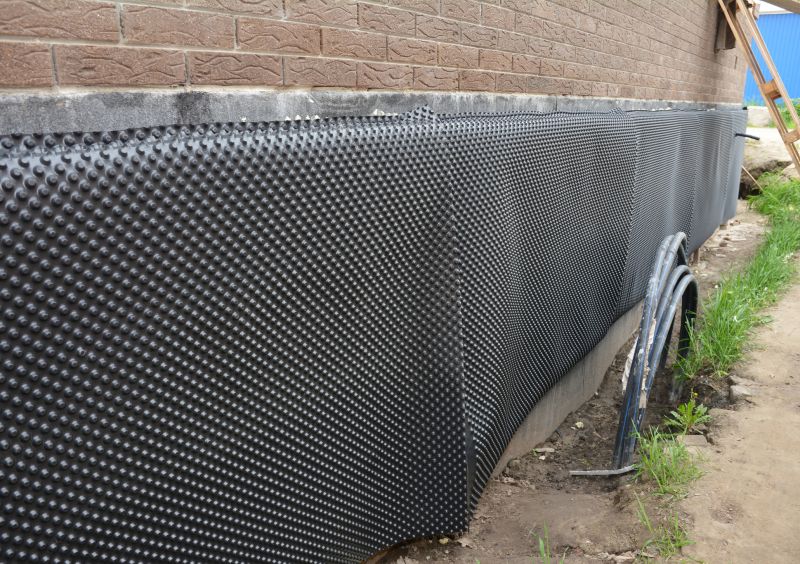
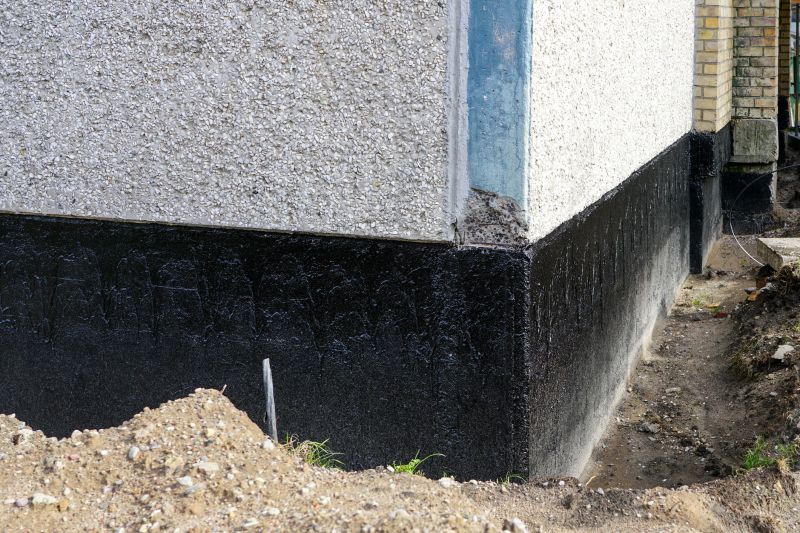
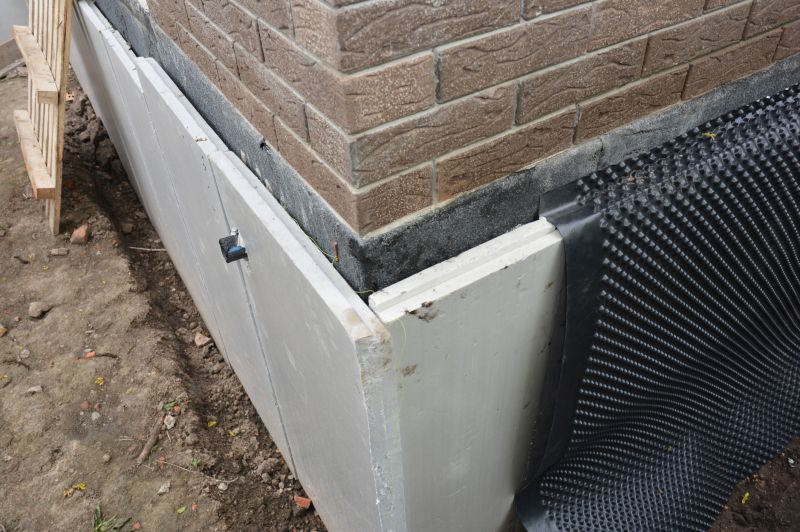
When homeowners search for interior vs exterior waterproofing methods explained, they are often trying to understand the options available for preventing water intrusion in their properties. This topic typically arises when dealing with moisture problems, basement leaks, or planning for new construction or renovations. People want to know which approach is best suited for their specific situation, whether they are addressing existing issues or seeking to prevent future damage. Understanding the differences helps homeowners make informed decisions about protecting their property from water damage, mold growth, and structural deterioration.
The discussion around interior vs exterior waterproofing methods is closely related to common property problems like basement flooding, foundation cracks, and damp walls. Exterior waterproofing usually involves applying barriers or coatings on the outside of a building’s foundation to keep water away from the structure. Interior waterproofing, on the other hand, focuses on managing water that has already entered or is likely to enter the building from within, often through drainage systems or sealants inside the basement or crawl space. These methods are also connected to planning projects such as basement finishing, foundation repairs, or new construction that requires a moisture-resistant environment.
Most properties that come up in these discussions are residential homes, especially those with basements or crawl spaces vulnerable to water infiltration. Older homes with aging foundations may be more prone to leaks, making waterproofing a key part of renovation plans. Newer properties might also require waterproofing during construction to ensure long-term durability. Commercial buildings, especially those with below-grade levels, can also benefit from waterproofing solutions. Local service providers specializing in interior and exterior waterproofing often work with homeowners, property managers, and builders to assess the specific needs of each property and recommend the most effective approach based on the structure’s design and existing moisture issues.
Choosing between interior and exterior waterproofing depends on the property’s condition, location, and specific water problems. Exterior waterproofing is generally considered more comprehensive because it stops water before it reaches the foundation, but it can be more invasive and costly. Interior waterproofing is often used as a secondary measure or in situations where exterior access is limited, such as in urban settings or with certain landscaping constraints. Local contractors who specialize in both methods can evaluate a property’s unique circumstances and help determine the most appropriate waterproofing strategy. Connecting with experienced service providers ensures that the chosen approach effectively addresses moisture issues and protects the property’s structural integrity over time.
Basement Waterproofing Projects - These projects often involve both interior and exterior waterproofing techniques to prevent water intrusion and protect structural integrity, requiring similar planning and sealing skills as explained in interior vs exterior waterproofing methods.
Foundation Repair Jobs - Foundation repair work frequently necessitates understanding waterproofing strategies on both sides of the structure, making it relevant for service providers familiar with interior and exterior waterproofing methods.
Retaining Wall Installations - Proper waterproofing is essential for retaining walls to prevent water buildup and damage, involving techniques comparable to those used in exterior waterproofing solutions.
Drainage System Installations - Installing effective drainage systems often complements waterproofing efforts, requiring knowledge of planning and sealing similar to interior and exterior waterproofing methods.
Crawl Space Encapsulation - Encapsulation involves sealing and insulating crawl spaces, aligning with interior waterproofing skills, while also requiring exterior considerations for comprehensive moisture control.
Roofing and Gutter Projects - These projects protect structures from water infiltration and involve planning and sealing skills akin to exterior waterproofing methods explained in the topic.
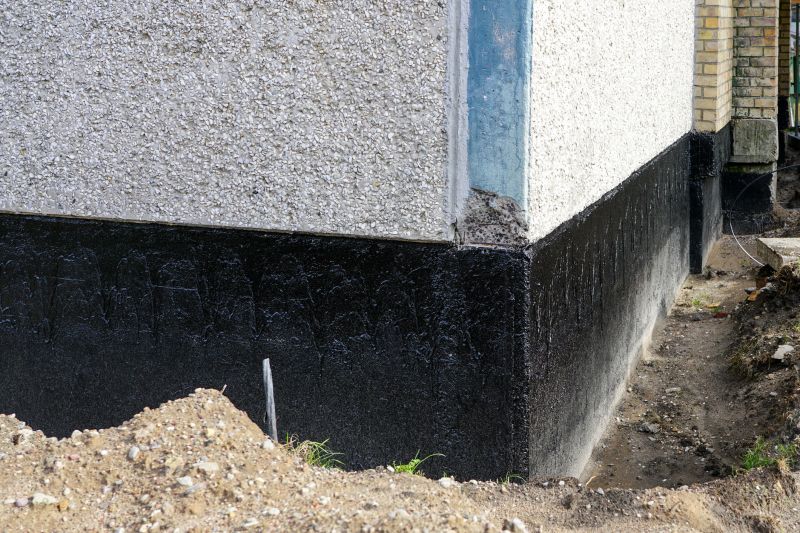
When comparing local contractors for interior and exterior waterproofing services, experience with similar projects is a key factor to consider. Homeowners should inquire about the types of waterproofing work the service providers have completed in the past, ensuring they have a track record of handling projects comparable in scope and complexity. Contractors with relevant experience are more likely to understand the nuances of both interior and exterior methods, enabling them to recommend the most effective solutions for specific situations. This familiarity can provide confidence that the chosen approach will address the unique challenges of the property and help prevent future moisture issues.
Clear written expectations are essential when evaluating local service providers for waterproofing work. Homeowners should seek detailed descriptions of the services offered, including the specific methods used-whether interior or exterior-and what the process will entail. Well-defined expectations help ensure everyone is aligned on the scope of work, materials, and any potential disruptions. Having this information in writing can also serve as a reference throughout the project, reducing misunderstandings and making it easier to compare proposals from different contractors.
Reputable references and good communication are vital components when selecting local contractors for waterproofing. Homeowners should ask for references from previous clients who had similar work done, providing insight into the contractor’s reliability, quality of work, and professionalism. Additionally, contractors who communicate clearly and promptly can make the process smoother and more transparent. Good communication ensures that homeowners stay informed about project progress, receive thorough explanations of recommended methods-whether interior or exterior-and can ask questions or express concerns throughout the project. These qualities contribute to a more confident and informed decision when choosing the right service provider.
Property owners often search for interior vs exterior waterproofing methods explained when they are planning practical projects around their homes and businesses. Local pros provide Interior and Exterior Waterproofing services for everyday jobs and straightforward project options.
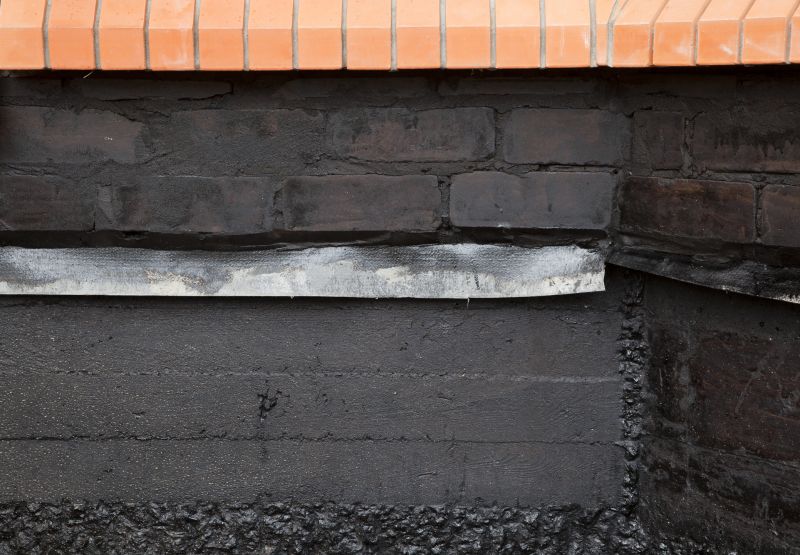
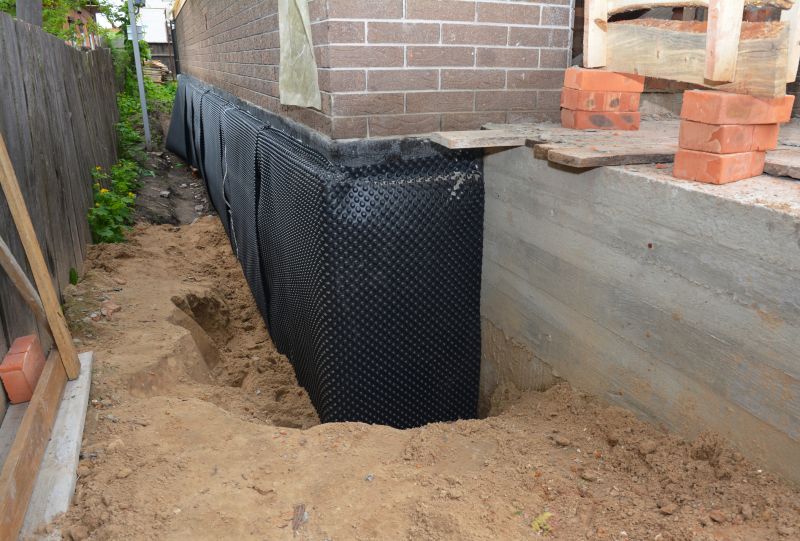
Understanding the differences between interior vs exterior waterproofing methods explained can help property owners make informed decisions when addressing moisture issues or preparing for renovations. Homeowners in the area might look up this topic after noticing signs of water intrusion, such as damp walls or basement flooding, or when planning to protect their property from future water damage. Local contractors specializing in waterproofing can assess specific needs and recommend suitable solutions, whether that involves applying protective coatings inside the building or installing barriers on the outside to prevent water from penetrating the structure.
In many cases, property owners consider interior waterproofing services when dealing with existing leaks or moisture problems inside the home, as these methods often involve sealing cracks or adding drainage systems within the foundation. Exterior waterproofing services, on the other hand, are typically chosen to prevent water from reaching the foundation in the first place, often involving excavation and barrier installation. Local service providers can evaluate the property's unique conditions and suggest appropriate approaches based on the extent of the issue and the desired level of protection, helping homeowners choose the best method for their situation.
What is the main difference between interior and exterior waterproofing methods? Interior waterproofing involves applying barriers or drainage systems inside the building to prevent water intrusion, while exterior waterproofing focuses on treating the outer surface of the foundation to stop water before it enters the structure. Local contractors can help determine which approach suits specific needs.
When should interior waterproofing be considered over exterior options? Interior waterproofing is often recommended when exterior access is limited or when quick mitigation of existing water issues is needed. Service providers can assess the situation to identify the most effective method.
Are exterior waterproofing methods more effective than interior solutions? Exterior waterproofing typically offers a more comprehensive barrier against water infiltration by addressing the source outside the foundation, but local pros can evaluate which method provides the best long-term protection based on the building's condition.
Can interior and exterior waterproofing be used together? Yes, combining both methods can provide enhanced protection against water damage, especially in severe cases. Local contractors can advise on integrated approaches tailored to specific properties.
What are common applications for interior versus exterior waterproofing services? Interior waterproofing is often used for basement sealing and managing existing leaks, while exterior waterproofing is applied during new construction or major renovations to prevent water from penetrating the foundation. Service providers can recommend suitable options based on the project.
Assessing Moisture Sources - Property owners can evaluate whether indoor or outdoor moisture issues are affecting their space and seek services from local contractors to address leaks or drainage problems accordingly.
Choosing the Right Waterproofing Approach - Homeowners might decide between interior or exterior waterproofing methods based on the severity of water intrusion, with local pros providing tailored solutions for each situation.
Preparing for Waterproofing Projects - Planning a waterproofing project involves understanding the benefits of interior versus exterior methods, which can be discussed with local service providers to determine the best application.
Implementing Long-term Solutions - Property owners can work with local contractors to develop maintenance plans that incorporate interior or exterior waterproofing services for ongoing moisture protection.
If you are thinking about interior vs exterior waterproofing methods explained for a property, this guide is meant to help you understand this topic, the typical project types, and how different options might fit your plans.
When you are ready, you can use the quote form on this page to share a few details about your project. From there, local pros can review the basics and follow up with options that match what you have in mind.